A credit card processing fee at the window can cost you more in lost guests than it saves. Here’s how to price it in instead.
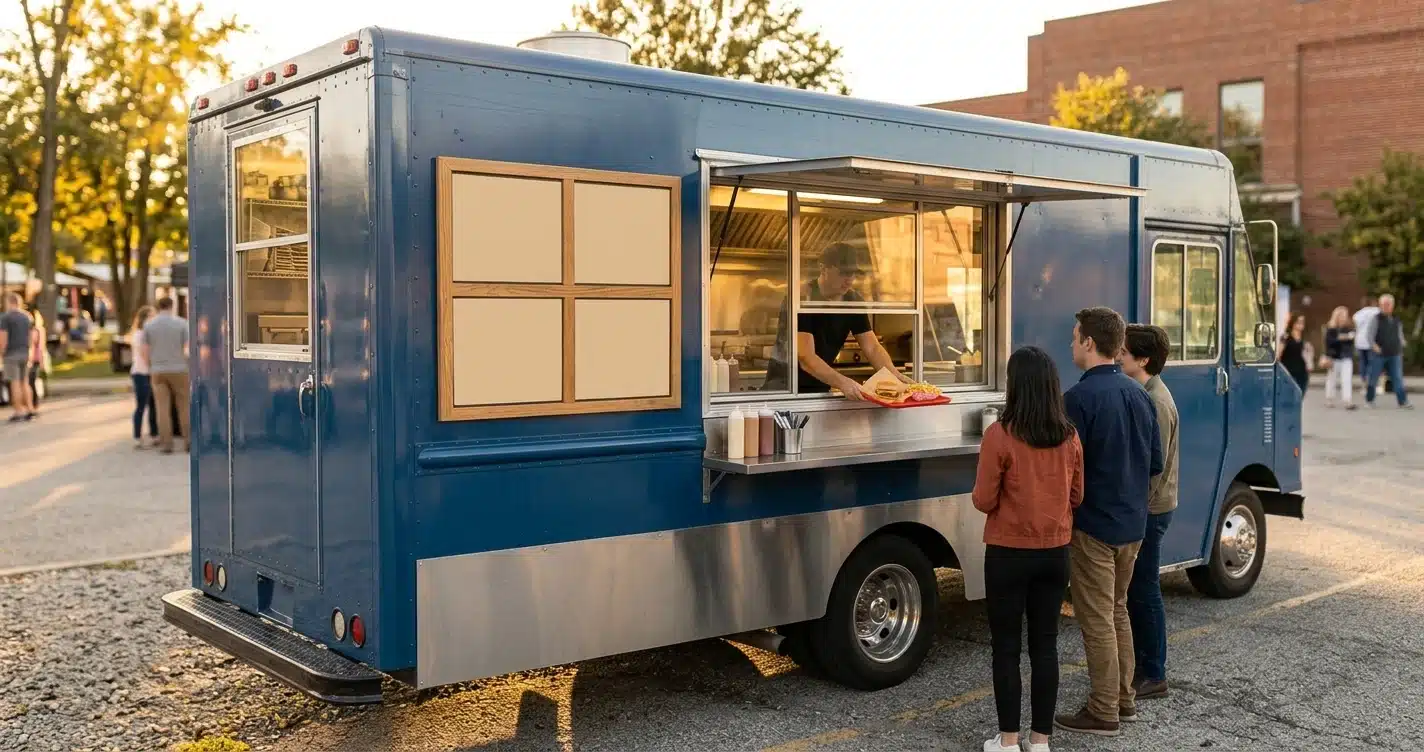
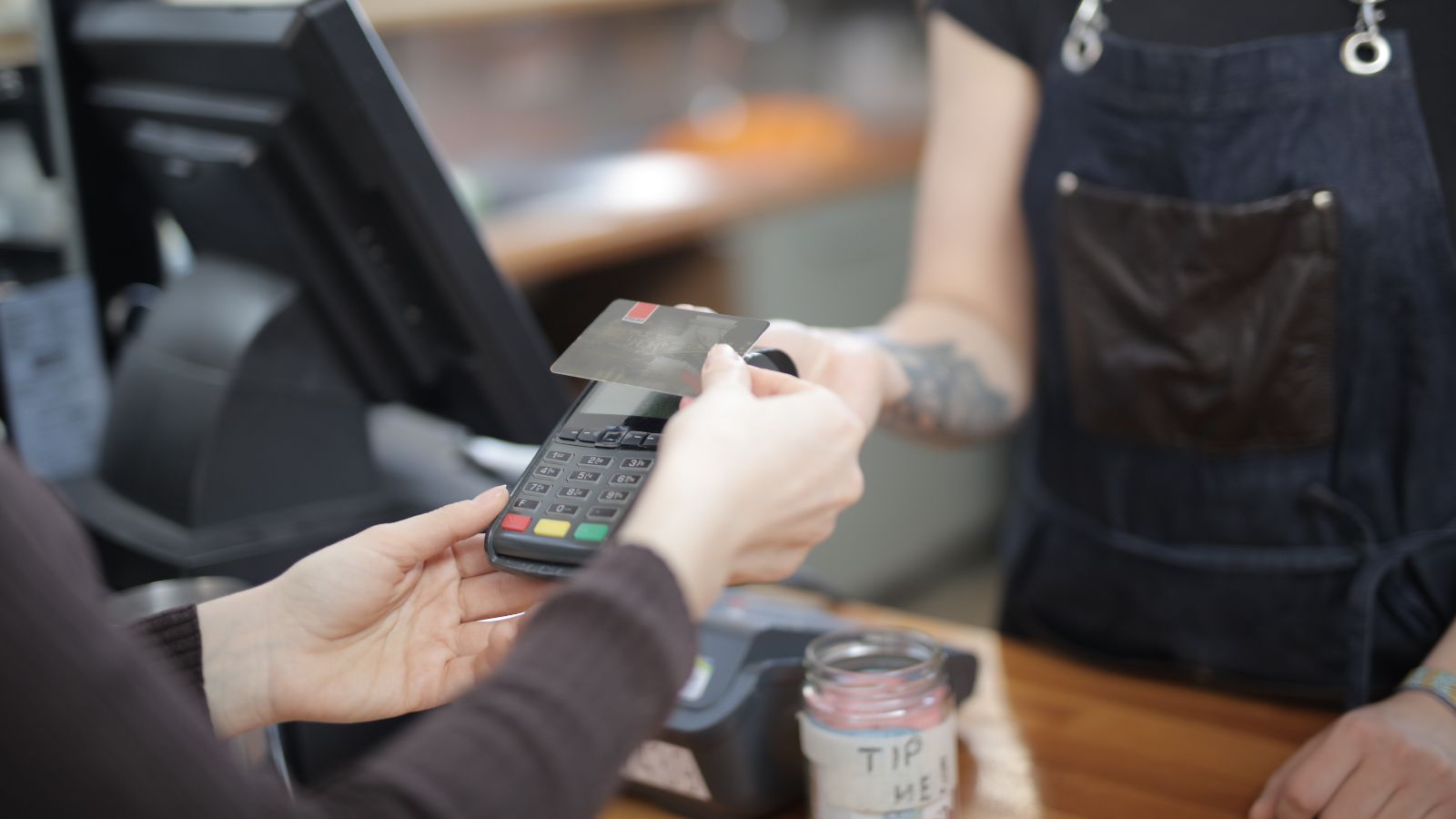
You’ve worked hard to create an amazing food experience. Your truck is parked at a busy festival, the line is forming, and your guests are ready to order your famous tacos or loaded fries. But there’s a catch. Every guest paying with a credit card gets hit with an extra 3.5% credit card processing fee. Seems fair, right? After all, you’re just passing on a cost.
For most food trucks, a separate processing fee costs more than it saves. It frustrates guests at the window, slows your line, and hands competitors an easy edge. The better move is to build processing costs into your menu prices, so every guest sees one honest price.
I’ve watched the “just pass it on” idea come around more than once. Let’s break down why adding a fee can hurt your business, your guest loyalty, and your long-term profit. Then we’ll cover what to do instead.
Key Takeaways
- A credit card processing fee feels small to you, but it creates friction for the guest at the exact moment they pay.
- Up to 72% of cardholders view merchants that add a card surcharge negatively, according to PYMNTS research.
- Card network rules cap surcharges and ban them on debit cards, and some states prohibit them entirely.
- Explaining fees at the window slows service and cuts your capacity during the rush.
- Building processing costs into menu prices keeps checkout fast, clean, and trusted.
Why Do So Many Food Trucks Add a Processing Fee?
I understand the temptation. Card fees are real money. On a busy weekend, you can watch hundreds of dollars go to the processor, and it feels like it’s coming straight out of your pocket.
The fee also looks easy. Your POS has a button for it. A processor’s salesperson promises you’ll never pay processing fees again. Other trucks at the event are doing it. More businesses surcharge every year, too. J.D. Power found that 34% of small merchants added surcharges on credit card transactions in 2025.
But a real cost doesn’t have to show up as a separate line on the guest’s receipt. You don’t add a line for propane, permits, or commissary rent. Card processing is the same kind of cost. It’s part of what it takes to serve food from a window today.
How Can a Credit Card Processing Fee Hurt Your Food Truck?
1. Guest Frustration at Checkout
A guest orders your signature burger and a drink totaling $10. They pull out a credit card, and suddenly the total jumps to $10.35. It’s a small difference, but psychologically it creates friction. You risk having guests question the fairness of all your pricing, not just the fee.
The research backs this up. A PYMNTS and Payroc study of nearly 2,900 credit card users found that up to 72% view retailers and restaurants that add a surcharge negatively.
2. Lost Repeat Business
For food trucks, repeat guests are gold. Say a regular visits your truck weekly and spends about $15 each time. Over a year, that’s $780 in sales from one loyal guest. If the fee annoys them, they may start looking elsewhere. In a CardRatings survey, 31.6% of consumers said they avoid using their credit cards when a merchant adds a surcharge.
Loyal guests are worth protecting on purpose, which is why I recommend simple food truck loyalty programs you can start today.
Would you risk losing hundreds of dollars a year in repeat sales to save pennies on the dollar?
3. Negative Word of Mouth
Social media and online reviews can make or break a food truck. Suppose a guest goes to Facebook or Yelp and complains about your credit card fee. Even one negative review can steer future customers away, because people read a surprise fee as sneaky or unfair.
Ask yourself: is the small savings from the fee worth risking your reputation?
4. Competitive Disadvantage
Your truck is rarely the only game in town. Guests comparing your menu to the truck next door will notice an extra card fee. Competitors who price transparently look more attractive and can pull guests out of your line. PYMNTS found that nearly 40% of the cardholders it studied are highly likely to look for competing merchants that don’t charge card fees.
Do you want to give your competitors an easy advantage?
5. Operational Headaches
Charging a fee means posting signs, training staff to explain the policy over and over, and handling complaints at the window. Every one of those conversations takes time you don’t have during a rush. That’s lost capacity, and lost capacity is lost sales.
Think about your busiest hour. Do you want your crew explaining fees, or serving hungry guests?
What Rules Apply If You Do Charge a Surcharge?
If you still decide to add a credit card processing fee, know that it isn’t a free-for-all. Card network rules and state laws both apply, and getting them wrong can cost you.
- Credit cards only. Federal law and card network rules prohibit surcharging debit and prepaid cards. Your POS has to tell the difference at the moment of payment.
- Capped amounts. Visa caps surcharges at 3% and Mastercard at 4%, and a surcharge can never exceed your actual cost of card acceptance. So that 3.5% fee from the opening example would break Visa’s rules on a Visa card.
- State law. A few states ban credit card surcharges outright, including Connecticut and Massachusetts, and others add caps or disclosure rules. Nav’s state-by-state summary is a starting point, but lists vary and change often, so confirm your own state’s rules.
- Disclosure and notice. Disclose the surcharge before the guest pays and show it separately on the receipt. Visa also expects 30 days’ written notice to your processor before you start.
Visa and Mastercard announced a proposed settlement with merchants in November 2025 that would expand surcharging options, but the court approval process has been slow. Check its status with your processor before you rely on it. More options on paper don’t change how your guests feel at the window.
Why Is Pricing It In Better Than a Fee?
A credit card processing fee is a cost of doing business, just like food, paper, labor, and permits. Your menu price is supposed to cover your costs and leave a profit. If it doesn’t cover card processing, the fee isn’t the problem. The price is.
On a unit P&L, every cost is measured as a percentage of Net Sales, and card processing is no different. Know your actual rate, including the extra charges I break down in Is Your Food Truck Paying One of These 25 Hidden Fees? Then price your menu to cover it.
Pricing it in also protects your capacity. One clean price means fewer questions, faster transactions, and a line that keeps moving. Speed matters, but so does how guests feel when they walk away, as I explain in How Important Is Food Truck Speed of Service?
Your processing model matters too. Flat-rate, interchange-plus, and cash discount programs each work differently at the window, and I compare all three in an article linked at the end of this post.
How Do You Build Processing Costs Into Your Menu Prices? 6 Steps
- Find your real processing rate. Pull your last three months of statements and divide total processing charges, including monthly and hidden fees, by total card sales. That’s your effective rate, and it’s usually higher than the headline rate.
- Price each item to cover it. Build that percentage into the target price for every menu item. If your taco is priced at $4.00, consider $4.25 or $4.50. Guests accept straightforward pricing much more readily than surprise charges at the window.
- Round to clean prices. Use whole-dollar or quarter-dollar prices that are easy to read and quick to total. Clean numbers keep the line moving, and nobody at the window asks about a credit card processing fee.
- Advertise “No Hidden Fees.” Put it on your menu board and in your social posts. It reassures guests and sets you apart from the truck next door that surcharges.
- Train your crew. Teach staff to mention your transparent pricing as a selling point when guests ask about fees. A confident, friendly answer builds trust at the window.
- Review it every quarter. Recheck your effective rate every three months and whenever your processor changes terms. Adjust prices before rising costs eat into your bottom line profit.
Frequently Asked Questions
Is it legal for a food truck to charge a credit card processing fee?
In most states, yes, if you follow card network rules and state law. You can surcharge credit cards only, not debit. Visa caps surcharges at 3% and Mastercard at 4%, never above your actual cost. A few states, including Connecticut and Massachusetts, ban surcharges, so confirm your state’s current rules first.
Can I charge a fee on debit card payments?
No. Federal law and card network rules prohibit surcharging debit and prepaid cards. If your POS adds a fee to every card tap without telling credit from debit, your program has a problem. Check the settings with your processor, or skip the fee and price processing into the menu.
How much should I raise prices to cover card processing?
Start with your effective rate: total processing charges, including monthly and hidden fees, divided by total card sales over the last three months. Build that percentage into each item’s price, then round to a clean number. A $4.00 taco might become $4.25 or $4.50, depending on your rate.
Isn’t it unfair to cash customers if I raise prices for everyone?
Every price covers some costs a guest doesn’t personally create, like condiments, napkins, or trash service. Card processing works the same way. Cards also make up most restaurant payments, about 70% of transactions in PYMNTS research. One fair, visible price is simpler than a split system explained at the window.
Is a cash discount program better than a surcharge?
A true cash discount posts the card price as the menu price and gives cash payers a discount. It still adds a conversation at the window, though. Compare all three processing models and their contract terms before deciding, and keep the guest experience front and center.
The Bottom Line
At a festival the line is long, the guests are hungry, and every one of them wants to pay and get their food. Nobody in that line wants a surprise at the window.
You can chase that 3.5% at checkout, or you can earn the guest’s trust with one honest price. The second choice keeps your line moving and your regulars coming back.
Price it right once, and you’ll never have to explain it at the window again.
Keep Learning
From the NSFVA Blog
- Flat Rate vs. Interchange-Plus vs. Cash Discount: What Food Truck Owners Need to Know: how each processing model affects your real cost, your checkout, and guest trust.
- Stop Pricing Your Food Truck Menu Based on Other Vendors’ Prices: why your prices have to come from your own costs, not the truck next door.
From the NSFVA Library
- Recipe Cost for Menu Pricing – Excel Template: NSFVA members can download this template to cost each item and set prices that cover processing.
- Sales Taxes: Add or Not to Add?: a short guide in the NSFVA library on another price-at-the-window decision. Sign in to read it.
Not a member yet? The Recipe Cost for Menu Pricing template is one of the tools inside the NSFVA library, and full library access is reserved for members. Vendor Membership includes live mentorship calls, the full Learning Center with videos, workbooks, and templates, access to industry experts, and exclusive vendor discounts. If processing costs are squeezing you, get your menu pricing right before you add another fee. See what Vendor Membership includes.
About the Author
Bill Moore is the Founder and Executive Director of the National Street Food Vendors Association (NSFVA), a trade association dedicated to advocacy, education, and unifying street food vendors nationwide. He has worked in food service since 1977, and his first street food vending was in 1981. Bill hosts the “10-Minute Food Truck Training” podcast, leads NSFVA’s weekly Mini Class and group coaching sessions, and is the author of Food Truck 101: Beginner to Winner and, with Melisa Moore, Food Truck 201: Get Off the Truck!