
A rude guest can ruin ten seconds. Whether he ruins your whole day is up to you.
Originally published March 26, 2025. Last Updated: October 2026
A new guest steps up to your window and asks, “What do you got that’s good?” You have heard that question a thousand times. Tickets are piling up, the fryer is running low, and your answer comes out sharper than you meant it. The guest walks away. For the next three hours you replay the scene, and by closing time you are telling your crew, “He makes me so mad.”
Here is the direct answer to that complaint. He did not make you mad. The guest triggered a flash of irritation, and that flash is automatic. Everything after it belongs to you: how long the anger lasts, what you say next, and how much of it you carry home. When you say he makes me so mad, you hand control of your mood to a stranger who will not think about you again.
I have watched that pattern wreck more service windows than any bad menu ever did. It costs you the sale in front of you, the mood of the next guest in line, and often your evening.
This post first ran in March 2025, and I have updated it with better research. You cannot stop the first spark of anger but you can own your next move. That is where your money and your peace of mind live.
Key Takeaways
- Owning your reaction never means accepting abuse. You can end a threatening interaction and still stay in control.
- The first flash of anger is automatic. What you do in the next minute is your decision.
- Research on service workers links rude customers to nighttime replaying and a worse mood the next morning.
- Hiding your anger behind a fake smile wears you down. Changing how you read the moment works better.
- A short script and a ten-second reset at the window protect your sales and your evening.
Why Does Every Rude Guest Feel Like a Personal Attack?
Food truck work is public, fast, and personal. You designed the menu. You sourced the product, you prepped it, and your name is on the side of the truck. When a guest waves it off or talks to you like they can boss around, it lands on you hard.
Then add the working conditions. Heat, long hours, little sleep, and a line that never shrinks all burn through patience. Repetition does the rest. The question “what do you got that’s good?” is not an insult, but the thousandth time feels like one and the menu is right there.
So the owner snaps. The guest leaves, and so does their money. Worse, the story travels. Your online presence can cost you customers before they ever reach the window, and one snapped answer ends up in a review.
The mood does not stay on the truck, either. A happy, easygoing owner turns into an impatient ogre who wants to close early. That attitude follows the owner home to family and friends. I have seen vendors vent in Facebook groups about something that happened hours earlier, still chewing on one interaction and feeding their own bad attitude. Misery loves company as they say.
That is the pinball effect. When you say he makes me so mad, you stop being the player and become the ball. Every guest, every delay, and every complaint knocks you around, and you never take a shot of your own.
What Does the Research Say About Anger, Rude Customers, and Control?
Psychologists have studied what happens when a guest makes you mad for decades.
Start with the biggest question: should you hide anger or rethink it? A widely cited review by psychologist James Gross compared two strategies. Reappraisal means changing how you read a situation so it hits you less. Suppression means hiding the outward signs of what you feel. Reappraisal lowered both the felt emotion and the outward reaction, without hurting memory. Suppression hid the outward signs, but the feeling stayed. Memory got worse. Body stress went up, for the person suppressing and for the people around them.
Service work puts that finding to the test. A meta-analysis of 95 studies on emotional labor by Ute Hülsheger and Anna Schewe looked at workers who fake the emotions their job demands, known as surface acting. Faking it showed a substantial link to poorer well-being and worse job attitudes. Workers who changed how they actually saw the interaction, called deep acting, showed only weak links to impaired well-being. They also delivered better customer satisfaction.
Rude customers do not just ruin the moment. In a study of 149 call center employees and more than 1,100 daily surveys, researchers found that on days with more customer mistreatment, workers replayed those encounters at night. That replaying then predicted a worse mood the next morning. Melisa and I worked at Burger King many years together and many nights she would wake up yelling at me to turn off timers. We didn’t even work in the same unit!
A separate study of 737 call center employees found that rethinking the encounter in the moment reduced the replaying. Faking a smile did not.
The practical news comes from a Michigan State University study of 94 bank call center workers tracked over 15 workdays. Before the shift, some workers recalled a time they helped a customer. Others pictured an interaction from the customer’s point of view. Both exercises reduced how mistreated the workers felt, improved their mood, and cut the replaying.
One more tool. In a UCLA brain imaging study, researchers found that putting a feeling into words quieted the brain’s alarm center. Lead researcher Matthew Lieberman noted the effect is likely modest. Modest is better than nothing, especially when it costs nothing and takes two seconds.
What Do You Control When a Guest Makes You Mad?
Put the research together and you get a simple rule called the Next Move Rule. You can not control the spark. A rude comment, a rushed order, or a flat insult will set off a flash of irritation in almost anyone, so when a guest makes you mad, that is the spark talking. You do own the next move.
The next move has three parts. First, name the feeling. Second, choose your words. Third, reset before the next ticket. Each part is small, and each one protects something specific: your sales, your guests, and your next internal peace of mind.
This matters for speed of service too. Capacity at your window has a human limit. Burners, prep space, and staff set the physical ceiling. An owner who is angry, distracted, and replaying the last guest drops below that ceiling without noticing. Speed only wins when the order is right. Getting the order right is hard while you argue in your head with someone who left five minutes ago.
How Does the Next Move Rule Work at the Food Truck Window?
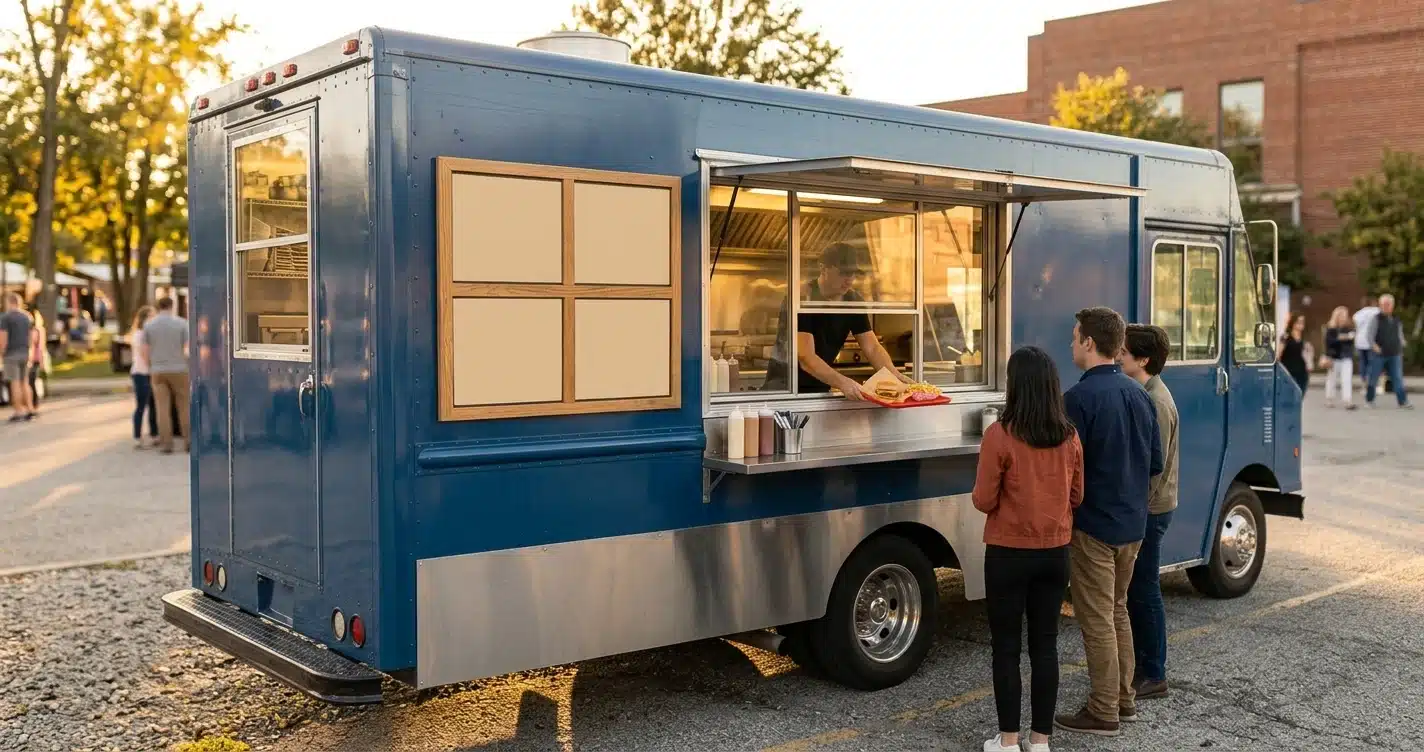
Back to the guest who asked what is good, the one who makes you so mad you replay him all afternoon. Step one is to name the feeling in your head: “That is irritation.” Step two is to choose your words. The question is not an attack. It is a hungry person asking for help, and that makes it a buying signal. Step three is the reset. Drop your shoulders, read the next ticket, and start clean.
Your answer can be as simple as this: “Our most popular item is the ___, and I would start there.” Fill in the blank with your most profitable item. You just turned a rude moment into a recommendation.
The Michigan State research backs this up. Workers who looked at an interaction from the guest’s side felt less mistreated. You do not have to excuse bad manners. You only have to see that many of those questions come from people who are hungry, hurried, or new to your food.
Many people know the old story about the refused gift. In the version Tricycle magazine tells, a priest arrives to insult the Buddha. Who owns a gift, the Buddha asks, when the person it was offered to refuses it? The giver, the priest answers. Then the insults are yours, says the Buddha. The lesson works the same on a food truck: let rude guests keep what they bring.
Does Owning Your Mood Mean Putting Up With Abuse?
No. Owning your reaction is not the same as accepting mistreatment. Decide your line before you need it. Write down what ends service at your truck: threats, harassment, slurs, or a guest who will not leave. A written weather cancellation policy settles an argument before it starts, and a written conduct line does the same thing.
Your crew faces the same guests, so give them the same line and the same permission to use it. Our post People Are the Product is a good companion read on that front. If anyone threatens you or your crew, close the window and call the event organizer or the police.
What Can You Do Today to Stop Letting Guests Make You Mad?
- Name the feeling, quietly. Say “that is anger” or “that is irritation” under your breath. Naming a feeling quiets the brain’s alarm center a little, and it costs you two seconds.
- Breathe once before you speak. One slow breath buys you the half second where the Next Move Rule lives. Nobody at the window will notice. You will.
- Answer the question behind the question. “What do you got that’s good?” means “help me choose.” Give a specific pick and one short reason.
- Reset between tickets. Drop your shoulders and read the next ticket before you touch the food. Ten seconds is enough to leave the last guest behind.
- Start the day with a win. Before you open, recall one guest you made happy last week. The Michigan State workers used the same kind of exercise.
- Write your conduct line. Put in writing what ends service, and share it with your crew. Decide now, because you will not decide well at 12:40 on a Saturday.
- Close the loop at night. Write the incident in two sentences, add one thing you would do differently, and close the notebook. The research ties replaying to a worse morning, so give the event one place to live and then stop.
Frequently Asked Questions
Can someone really make you mad?
Someone can trigger a flash of anger, and that part is automatic. What happens next is your call: how long you hold the anger, what you say, and what you do with it. Saying he makes me so mad skips that choice and hands your mood to the other person.
Is it wrong to get angry at a rude customer?
No. Anger is a normal signal, not a character flaw. The cost comes from what you do with it. Snapping at a guest costs you the sale, and stewing for hours costs you your evening. Notice the anger, then pick your next move on purpose.
Should I just smile and take it?
No. Research on service workers links faking emotions to exhaustion and poorer well-being, and changing how you read the moment works better than masking it. If a guest turns abusive or threatening, end the interaction. Owning your reaction never means accepting mistreatment.
How do I stop replaying a bad customer interaction?
Studies of service workers show that rude customers lead to replaying the event at night and a worse mood the next morning. Give the incident one place to live. Write two sentences about what happened, add one thing you would change, and close the notebook. Then open tomorrow with a happy-guest memory.
Does choosing my reaction mean I should feel nothing?
No. You will still feel the spark, and that is fine. Owning your reaction means separating the instant feeling from your response. You cannot stop the first flash of irritation. You can decide your words, your tone, and how long you keep thinking about it.
Final Words: Own the Next Move
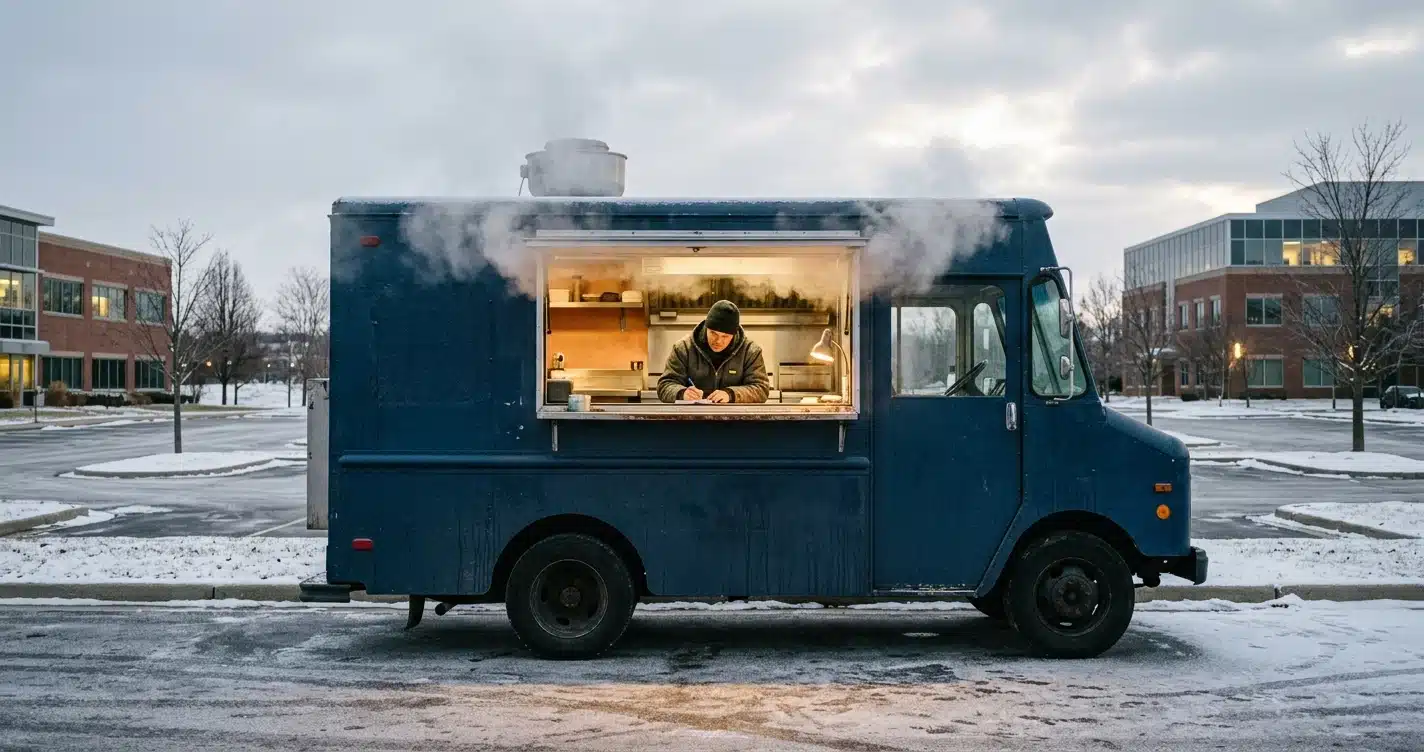
Go back to the window one more time. The guest with the thousand-times question is gone in ten seconds. You are the one who has to live with the next ten hours.
Every shift will hand you a few of those moments. A guest grumbles at your prices. Others about a wait you cannot shorten. Worse, a comment about your menu stings because you built that menu yourself. You cannot stop the spark. You can stop handing over the keys to your peace of mind.
Owners who last in this business treat their mood like equipment. They check it, maintain it, and refuse to let a stranger run it down. Your fryer deserves that care, and so does your attitude.
So the next time you hear yourself say he makes me so mad, stop and ask one question. What is my next move? Whatever you choose, make it the one the next guest in line deserves.
A guest can hand you a bad ten seconds. Whether you keep it is your call.
Keep Learning
- How Important Is Food Truck Speed of Service?: Why fast only wins when the order is right, and what limits your window.
- People Are the Product: A Mindset and Operations post on the people behind your food truck.
- What Should a Food Truck Weather Cancellation Policy Say?: Why written policies settle disputes before emotions get involved.
- Is Your Food Truck Online Presence Costing You Customers Before They Reach the Window?: What guests see about you online before they ever order.
- When Does Food Truck Experience Become Real Expertise?: A Mindset post on the gap between years in the business and real expertise.
Bill Moore is the Founder and Executive Director of the National Street Food Vendors Association (NSFVA), a trade association dedicated to advocacy, education, and unifying street food vendors nationwide. He has worked in food service since 1977, and his first street food vending was in 1981. Bill hosts the “10-Minute Food Truck Training” podcast, leads NSFVA’s weekly Mini Class and group coaching sessions, and is the author of Food Truck 101: Beginner to Winner and, with Melisa Moore, Food Truck 201: Get Off the Truck!