Walk into a Chick-fil-A or an In-N-Out, and you’ll notice something that stands in stark contrast to much of the fast-food world: the employees seem genuinely happy to be there. The service is consistently efficient, the staff is unfailingly polite, and the experience is remarkably pleasant. It’s a phenomenon that often leaves guests asking, “How do they do it?” The answer is simple, good training and better pay. That’s only the surface. The real reason for their legendary service isn’t just a single policy; it’s a deeply integrated operational system built around what is a radical idea for the industry: prioritizing people creates a more resilient and profitable business. This post discusses five strategies from their operational models that go far beyond simple politeness, showing how a deliberate, people-first system creates a guest experience that competitors, and maybe you, envy.
1. They Hire Character, Not Just Skill And It’s Harder to Get In Than an Ivy League School
Both companies prioritize a candidate’s character, attitude, and cultural fit over previous fast-food experience. They operate on the principle that technical skills can be taught, but core personality traits like enthusiasm and integrity cannot. In-N-Out, for instance, intentionally seeks candidates with a high “enthusiasm quotient.” The company sometimes views extensive prior experience as a liability, as it may come with “bad habits” learned in less rigorous environments. They prefer a “blank slate” they can train in the company’s meticulous methods. Chick-fil-A’s selectivity is even more pronounced. To become a franchise Operator, the bar is astonishingly high. In 2018, the company received around 68,000 inquiries but accepted only about 100 new Operators. This acceptance rate of roughly 0.15% makes it more selective than Harvard, which had a 4.5% acceptance rate that same year. Even at the team member level, the standards are rigorous. Some of Chick-fil-A’s high school apprenticeship programs require a minimum 2.8 GPA and even use Myers-Briggs personality tests to screen applicants. This strategy effectively de-risks their human capital pipeline. By treating hiring as the most critical risk-management step, they filter for character upfront, minimizing the significant costs associated with remedial training for soft skills, reducing disciplinary issues, and creating a self-reinforcing culture where A-players are motivated by their peers. It’s a deliberate investment in a low-maintenance, high-performance workforce.
2. Their Training Is More Like a University Than a Fast-Food Job
For these brands, employee training isn’t a one-day orientation; it’s a long-term, structured developmental process. They make a significant investment in their people, which is counter-intuitive for an industry known for high turnover. In-N-Out’s system is a clear model of this philosophy. The company runs its own “In-N-Out University” to train its managers, all of whom are promoted from within. For hourly employees, there is a transparent, tiered “Associate Levels of Development” system. Team members advance from Level 1 to Level 8 by mastering specific skills at each stage, earning pay raises with every promotion. This provides a clear roadmap for career growth from day one. Chick-fil-A employs a similarly structured onboarding process built on a 30-60-90 day plan. Within the first 60 days, new hires attend a “Winning Hearts Strategy class” to learn the secrets behind the brand’s iconic hospitality. After 90 days, they celebrate their progress with a formal “Graduation” ceremony. This deep investment generates a powerful ROI. With the cost to replace an hourly worker estimated at over $3,500, this system of interlocking operational disciplines serves as a powerful retention lever. It transforms a transient job into a structured developmental pathway, significantly reducing costly turnover and building institutional knowledge. The result is an operational and financial moat that competitors, who treat labor as a disposable cost, simply cannot cross.
3. They Treat Hospitality Like a Science
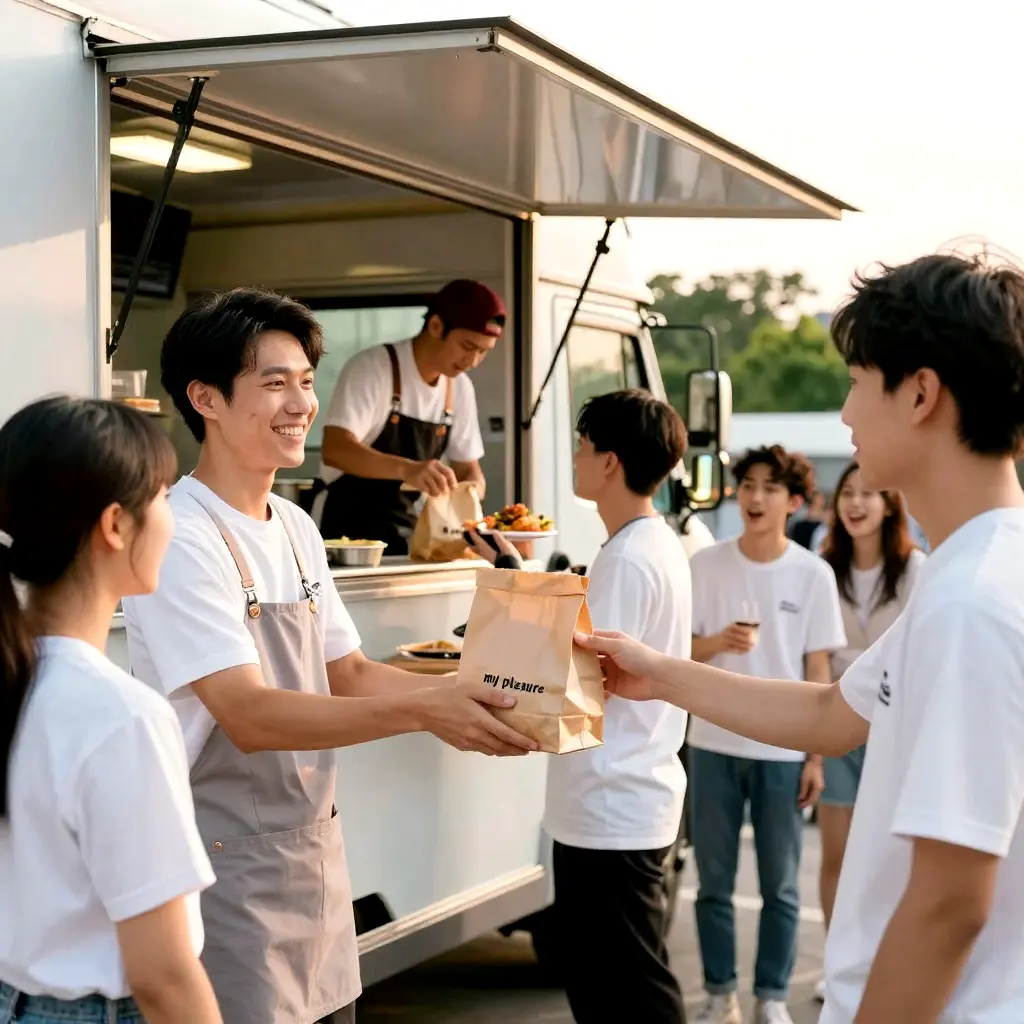
The famous pleasantries and attentive service are not random acts of kindness; they are part of a codified, trainable system for hospitality. At Chick-fil-A, every team member is trained on the “Core 4” behaviors required for every customer interaction: share a smile, create eye contact, speak in a friendly tone, and always say “My Pleasure.” This isn’t just a suggestion; it’s a non-negotiable standard of service. Beyond that, employees are empowered to deliver what the company calls “Second Mile Service”—going beyond the basics to create “surprise and delight” moments. This could be as simple as helping a parent with a high chair or as unique as the instance where a staff member collected the fried crumbs from the bottom of a basket for a regular customer who loved them. These actions are not just encouraged; they are celebrated internally, fostering a culture where employees are constantly looking for opportunities to make a guest’s day.”For us, excellent service is not just what we do but who we are. This mindset is instilled in every employee, from summer interns to long-term staff.”— Nicholas Lawrence, Vice President of Human Resources, Midwest Region, Chick-fil-A
4. They Invest In Your Future—Even If It’s Not With Them
Both companies frame employment as a developmental opportunity and a stepping stone to a better future, fostering immense loyalty in the process. Chick-fil-A’s “Remarkable Futures™” scholarship program is a cornerstone of this strategy. Since 1973, the company has awarded more than $215 million in scholarships to over 122,000 team members. For instance, the company recently awarded a record $27 million in a single year to support its employees’ educational goals. Some locations take this commitment even further. The Chick-fil-A in Granite Bay, California, runs a unique mentorship program where the owner personally connects team members with mentors in their dream careers. Employees aspiring to be business owners, dermatologists, correctional officers, or marine biologists have been paired with established professionals in those fields, giving them a head start on their future long after they’ve hung up their uniform. “We saw a gap between the starting point… as a team member and their end goal, so what we wanted to do is… create the ability for that team member to then communicate, to have interaction, and to learn from their future goal.”— Wade Ripke, Owner-Operator, Chick-fil-A Granite Bay. This approach functions as a powerful employer branding tool. In a competitive labor market, these programs attract a higher caliber of candidate—ambitious, goal-oriented individuals who might otherwise overlook the industry. This creates a superior talent funnel that directly fuels the success of Strategy #1, ensuring a steady pipeline of the very people they want to hire.
5. They Aren’t Beholden to Wall Street
The foundational reason these people-first strategies are possible is simple: both Chick-fil-A and In-N-Out are privately owned companies. This structure is their ultimate secret weapon. It is the foundational enabler of their long-term human capital investment strategy, allowing them to resist the relentless pressure from shareholders to maximize short-term profits—a pressure that often leads publicly traded competitors to cut labor costs, reduce training budgets, and squeeze every penny out of operations. Being private enables them to make values-driven decisions that prioritize brand integrity and employee well-being. It’s why Chick-fil-A can remain closed on Sundays to give employees a consistent day of rest, and why In-N-Out can pursue slow, controlled growth to ensure its high-quality standards never waver. This long-term orientation, free from the demands of the stock market, underpins their ability to invest in the very people who deliver their legendary service.
People Are the Product
The exceptional service at Chick-fil-A and In-N-Out is not an accident. It is the direct and predictable result of a deeply integrated system that invests in human dignity and potential. By being radically selective, training for mastery, codifying hospitality, investing in their employees’ futures, and maintaining private ownership, they have built a sustainable competitive advantage in one of the world’s most competitive industries. In this model, the “product” is not the food; it’s the well-trained, motivated, and respected employee who, in turn, delivers a remarkable experience to the customer.
If these companies can prove that prioritizing people leads to phenomenal success in one of the toughest industries, what’s stopping YOU from following their lead?