Let’s be honest… loyalty isn’t “automatic” anymore. Your guests are fickle. Jumping Ship Constantly. New spots. New apps. New cravings. One viral TikTok later and they’re cheating on you with some hussy food truck.
Here’s the part most owners miss:
Your competition isn’t the truck parked next to you. It’s the tiny screen in your guest’s hand before they ever decide where to eat.
So, if you’re still relying on:
- a feather flag
- “hope they see us” foot traffic
- Random and boring Facebook posts
- and a paper punch card that ends up in a junk drawer
…you’re not building loyalty. You’re gambling and the house is gonna win.
You don’t need more followers. You need a way to reach people on purpose with purpose. When a guest hands you their phone number, that’s not “marketing.” That’s a permission slip. A hall-pass. A get out of jail free and build your card.
Text messaging works because it’s personal. People guard that space. It’s where they talk to family and friends. When they trust you with their number, you just got what those boring marketer types call zero-party data, information they chose to give you. That’s leverage.
Are you collecting anything from guests that you actually own? Or are you renting attention from social media and praying the algorithm gods are benevolent today?
Paper cards are a “maybe.” As much as I hate to say that. It is 2026 and if I preach KDS and to get away from PAPER, I have to preach the fire and brimstone of a Digital Loyalty Program and get away from paper loyalty cards.
Digital Loyalty is a system. A real loyalty program does four things paper can’t do consistently:
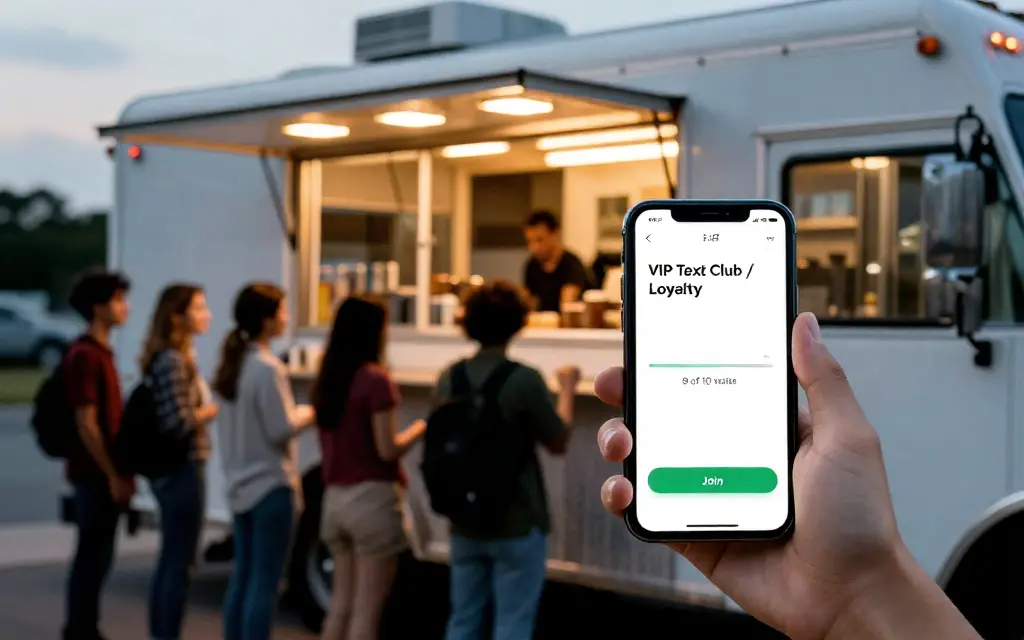
- Progress creates pressure
When guests can see “8 of 10” they want to finish.
Paper cards disappear. Digital progress stays. - Nobody likes losing progress
A message like “You’re 1 visit away” hits a nerve in the brain.
That’s not hype. That’s how people work. Your paper card has notifications turned off. - Routine is powerful
If they’ve visited you 3 times, they’re already telling themselves:
“I’m the type of person who eats there.” - You can wake up the inactive customer
Digital can automatically pull people back with a “we miss you” offer.
Paper can’t do that… because paper can’t find them.
This isn’t me giving legal advice, it’s me protecting you from stepping in it.
Some states treat loyalty programs as an exchange:
data in → rewards out.
That means you need to act like an adult business:
- tell people what you’re collecting (name and email)
- why you are collecting it
- and how they can opt out if they need to
And here’s the key principle:
Don’t collect data, just in case. Collect only what you need.
Data you don’t need is not an asset. It’s a liability to you and a hacker’s treasure chest.
Discount loyalty is fragile. It attracts what I call mercenary customers (not guests). They’re loyal… until the next truck offers $2 more off.
Real loyalty is an emotional commitment. It feels like:
- access
- status
- insider perks
Think:
- hidden menu items only for members
- early access to a limited-time special
- VIP drops
- “members get it first”
You’re not trying to be cheap.
You’re trying to be worth coming back to.
If your loyalty program adds steps at checkout, your staff will hate it.
And if your staff hates it, it won’t get done.
The goal is simple:
Fast to enroll. Fast to redeem. Zero drama.
That can be:
- a QR code on a receipt/sign
- a quick phone number entry
- a stamp device that takes 2 seconds
- or anything that doesn’t turn your line into a negotiation or AMA session
Because speed of service is not optional. It’s your capacity (and revenue) ceiling.
Your action steps (do this this week)
- Create one reason to join
Not a 10% discount. A reason.
Example: “Members get the monthly secret item.” - Choose one capture method
QR + text signup is fine. Keep it simple. - Train the script (this matters)
“Hey—want to join our VIP list? Members get early access and secret drops.” - Send one message per week
Not spam. Just consistency:
- location
- limited-time special
- sellout warning
- member-only offer
- Track the only number that matters
How many return customers did you create this month?
The question isn’t “Do you have a loyalty program?” The question is: Are you rewarding transactions… or building a community so loyal that they don’t want to leave?